
Navigating the Building Custom Homes Process
Building a custom home is an exciting journey. It offers the chance to create a living space tailored exactly to your needs and style. However, the process can feel overwhelming without clear guidance. I want to share practical insights to help you navigate this journey smoothly. From planning to finishing touches, understanding each step will empower you to make confident decisions.
Understanding the Basics of Building Custom Homes
When you decide to build custom homes, you start with a blank canvas. Unlike buying a pre-built house, you control every detail. This control means you can design a home that fits your lifestyle perfectly. But it also means you need to be involved in many decisions.
The first step is to define your vision. What style do you want? How many bedrooms and bathrooms? What special features are important? Write down your priorities. This list will guide your choices and help your builder understand your expectations.
Next, find a reputable builder who specializes in custom homes. Look for someone with experience in your area and a portfolio that matches your style. A good builder will listen carefully and offer advice based on your budget and site conditions.
Once you have a builder, you will work together on the design. This phase includes creating floor plans and selecting materials. It’s important to stay involved and ask questions. Changes are easier to make early on than after construction begins.

Key Steps in the Building Custom Homes Journey
Building custom homes involves several clear stages. Knowing these will help you track progress and avoid surprises.
Site Selection and Preparation
Choose a lot that suits your needs. Consider location, views, and access to amenities. Your builder will assess the site for soil quality, slope, and utilities. Preparing the site may include clearing trees and leveling the ground.
Design and Permitting
Work with architects and designers to finalize your plans. Then, submit these plans to local authorities for permits. This step can take time, so plan accordingly.
Foundation and Framing
The foundation is poured, and framing begins. This stage shapes the skeleton of your home. It’s a good time to visit the site and see your home take form.
Systems Installation
Plumbing, electrical, and HVAC systems are installed next. These are critical for your home’s function and comfort.
Interior and Exterior Finishes
Walls, flooring, cabinets, and paint come next. Exterior finishes like siding and roofing are completed. This phase brings your design to life.
Final Inspections and Walkthrough
Inspectors check that everything meets code. You will do a final walkthrough with your builder to note any issues before moving in.
Throughout these steps, communication with your builder is key. Regular updates and site visits keep you informed and involved.
Is $400,000 Enough to Build a House?
Budgeting is one of the biggest concerns when building a custom home. Many ask, "Is $400,000 enough to build a house?" The answer depends on several factors.
Location plays a major role. In Los Angeles, land and labor costs are higher than in many other areas. The size and complexity of your design also affect the price. A simple, smaller home costs less than a large, intricate one.
Materials and finishes add to the budget. High-end appliances, custom cabinetry, and premium flooring increase costs. Energy-efficient systems and smart home technology can also raise the price but add long-term value.
To stay within budget, prioritize your must-haves and be flexible on less critical features. Your builder can help you find cost-effective alternatives without sacrificing quality.
It’s wise to set aside a contingency fund of 10-15% for unexpected expenses. This buffer helps avoid stress if surprises arise during construction.
Choosing the Right Materials and Finishes
Selecting materials and finishes is where your home’s personality shines. These choices affect aesthetics, durability, and maintenance.
Start with the exterior. Options include stucco, brick, wood siding, or stone. Consider the climate and how materials will age. For example, stucco is popular in Los Angeles for its durability and style.
Inside, flooring choices range from hardwood to tile to carpet. Each has pros and cons. Hardwood is timeless but can be costly. Tile is durable and easy to clean, ideal for kitchens and bathrooms.
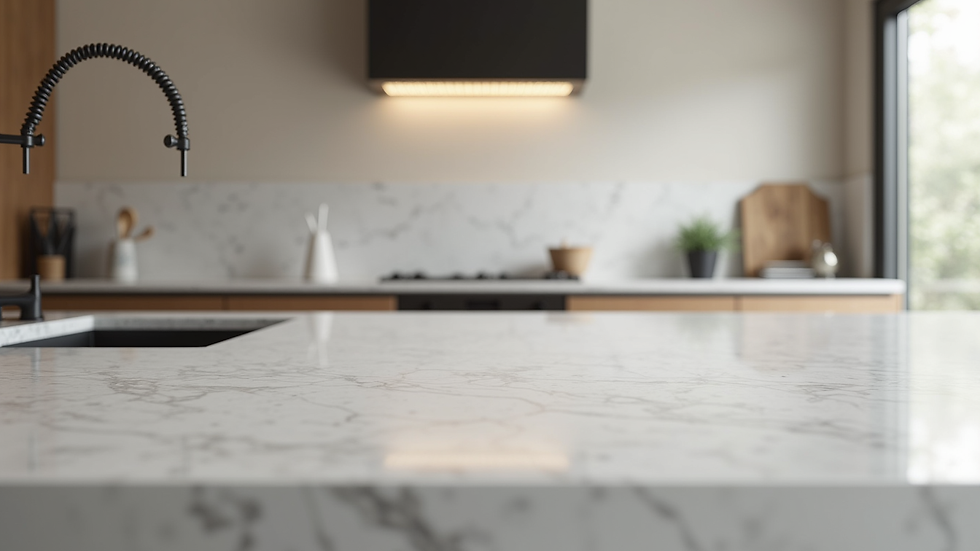
Cabinetry and countertops define your kitchen and bathrooms. Custom cabinets offer flexibility but come at a premium. Quartz and granite countertops are popular for their beauty and resilience.
Lighting and fixtures complete the look. Choose styles that complement your design theme. Energy-efficient LED lighting reduces utility bills.
Remember, quality materials pay off in the long run. They reduce maintenance and improve resale value.
Managing the Timeline and Expectations
Building a custom home takes time. Typical projects last from 6 to 12 months, depending on size and complexity. Delays can happen due to weather, permit approvals, or supply chain issues.
Set realistic expectations from the start. Your builder should provide a detailed timeline with milestones. Regular updates help you track progress and plan your move.
Stay flexible but firm. Changes during construction can cause delays and extra costs. Try to finalize decisions early.
Visiting the site regularly helps you catch issues early. It also keeps you connected to the project and excited about the progress.
Final Thoughts on Your Custom Home Journey
Building a custom home is a rewarding experience. It requires patience, clear communication, and careful planning. By understanding each phase and working closely with your builder, you can create a home that truly reflects your vision.
Remember, the custom home building process is a partnership. Your input and your builder’s expertise combine to make your dream home a reality.
Take your time, ask questions, and enjoy the journey. The result will be a unique home designed just for you.


Comments